






Expert Hardwood Floor Installation in Chicago by Roberts Flooring Services

Hardwood flooring looks great, is environmentally friendly, and provides a healthy environment for your home without trapping dust and pollen spores. With so many reasons to choose hardwood installation in Chicago, taking advantage of all of them simply makes sense. At Roberts Flooring Services, we are your expert hardwood flooring contractors in Chicago that can help you make the right choice for your floors.
As a family owned and operated business, our primary goal is to provide our customers with the most professional advice and exceptional workmanship for a customer experience that will be remembered. We will help you choose the right hardwood flooring for your home and expertly install it for you. Our team can also revitalize your existing floors with superior hardwood floor refinishing in Chicago.
We welcome you to see why Roberts Flooring Services has been the choice for countless customers. Let us be your hardwood flooring contractors in Chicago and the surrounding area.

Full-Service Hardwood Flooring Contractors in Chicago
Roberts Flooring Services Inc.
At Roberts Flooring Services, we don’t just lay floors. We offer so much more. Our experienced professional hardwood flooring contractors provide a full range of services to make sure you get the floors you want for your home or business.
We work with a wide variety of different hardwoods as well as other high-end products, like engineered wood flooring. We are also experts at installing laminate flooring for residential and commercial use.
If you currently have hardwood floors but they need some care, Roberts Flooring Services is the right place for hardwood floor refinishing as well. We can treat your floors with a dustless sanding and staining for a new finish to your old floors.
Chicago Hardwood Flooring Services
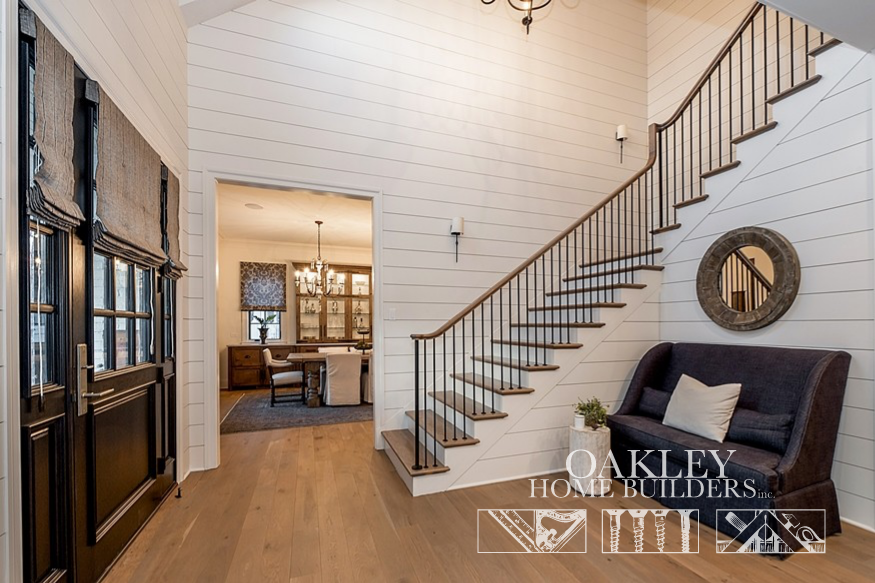


Hardwood Floor Sanding Chicago
Some parts of your existing hardwood may be damaged or you may simply want to change the color of your existing hardwood floors. In either case, by sanding hardwood floors in Chicago residences and commercial properties, we have repaired and revitalized many hardwood flooring surfaces. We will make your floors new again by sanding them down and providing that perfect coat you want.
WHY IS IT IMPORTANT TO HIRE A PROFESSIONAL FOR HARDWOOD FLOOR INSTALLATION OR REFINISHING IN CHICAGO?
If you are investing in hardwood flooring, you want to ensure it is handled properly. You are paying hard-earned money for your floor so you want it to be professionally installed or refinished. Even if you have some experience with hardwood floor installation, a professional can address every detail of the process you may otherwise miss.
A major benefit of getting professionals for your hardwood floor refinishing or hardwood floor installation is an understanding of the process. With their experience, they can make the best decisions because they provide hardwood flooring installation in Chicago every day. They know how to handle all the tools and materials needed for great work. When you deal with a professional hardwood floor installation expert, you save on wasted material and you pay only for what is used. If you are uncertain of the type of flooring you want or even have questions about what would be suitable for your space, a flooring expert can make appropriate recommendations for you.
Choose Roberts Flooring Services as the best professional company you can trust for your investment in beautiful hardwood flooring. We can handle even the most complex flooring options and offer the most appropriate solutions to you.
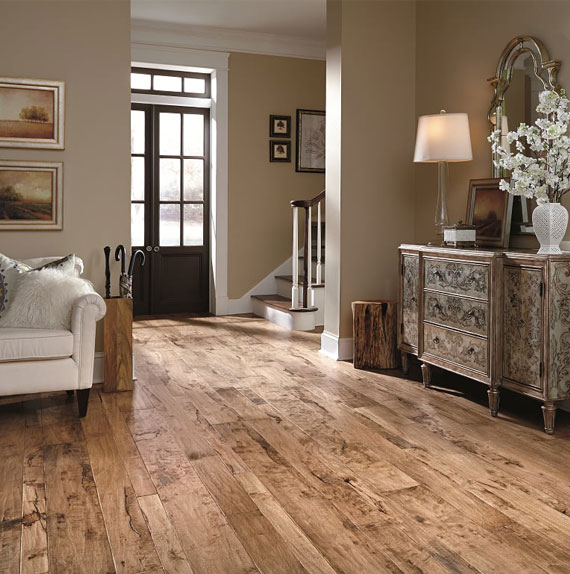
The Benefits of Laminate Flooring and How it Fits into Your Chicago Home
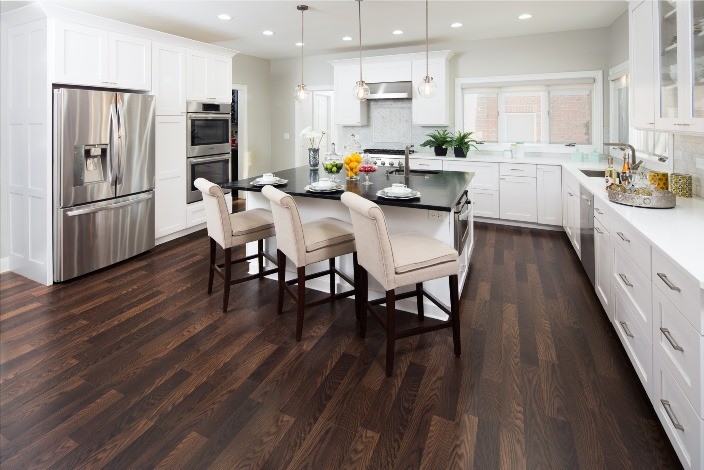
When thinking of flooring, most people consider hardwood floors above anything else. But there are other great options for your floors that can work just as well and look amazing in the process, such as laminate flooring in Chicago.
Laminate floors have some advantages over other flooring options, even hardwood. Today you can find laminate flooring in Chicago that once on your floors, it is difficult to tell that it’s not hardwood. And at a fraction of the cost of hardwood floors, laminate flooring can leave your budget intact for other home renovation projects.
Also, laminate floors are extremely durable thanks to the aluminum oxide top coat. It can withstand scratch, dents, staining, and fading over time. While laminate is often thought of for a basement floor, these benefits make it perfect for the kitchen or any other room in the home. Installing laminate flooring in Chicago is a cost saving way to have beautiful floors.
What customers think about our hardwood floor installation and refinishing
I got all the help I needed to choose just the right hardwood for the main floor of my home. The hardwood flooring contractors did an excellent job of matching my tastes to the hardwood and offering professional installation.
Roberts Flooring Services turned my old hardwood floors around to make them new again. I was amazed at how easy they made the job seem and at how amazing my floors now look.
This was a very professional hardwood floor installation service. The staff was very friendly and the hardwood flooring contractors knew what they were doing right down to the little details.
WHY CHOOSE ROBERTS HARDWOOD FLOORING SERVICES CHICAGO

Priced Right
Our hardwood floor installation and refinishing services are priced to fit your budget. We will work with you to find the perfect solution for your floors, keeping your finances in mind.

All Natural Materials
Hardwood is a completely natural and renewable product that can bring the outdoors into your home or office. It is an environmentally friendly and safe product for any application.

Completed on Schedule
Our hardwood flooring contractors work hard to make sure your flooring project is completed in the time frame we promise. We want you to enjoy your new hardwood floors as soon as possible.

Family Owned and Operated
Because we are family owned and operated, we understand how to best serve our customers. Our goal is always to give you the best service we can to go along with the best hardwood floors.
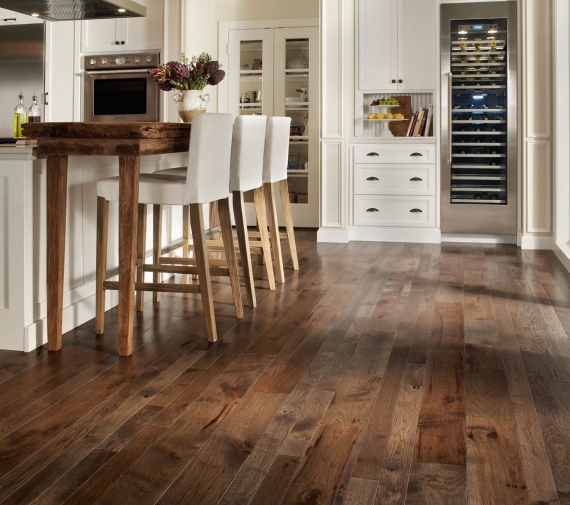
TIPS FROM ROBERTS HARDWOOD FLOORING SERVICES FOR CARING FOR YOUR HARDWOOD FLOORING IN CHICAGO, IL
Taking good care of hardwood floors is important to help them last as long as possible. Roberts Hardwood Flooring Services in Chicago has some ideas to help. Dust your hardwood flooring with a soft microfiber mop rather than a broom or vacuum. Use only the minimum amount of solvents to wash the floor. Window coverings can protect your hardwood flooring from heat and UV rays, as sunlight can discolor your hardwood. When your floors no longer shine, consider hardwood floor refinishing. Chicago residents can count on flooring contractors to refinish floors every three to five years. Plus, clean spills immediately to prevent permanent stains. When liquids pool on your hardwood flooring, it can cause damage. And put down protective rugs that protect the hardwood flooring from furniture damage and foot traffic.
Request Free
Appointment!
WE ARE AVAILABLE TO PROVIDE YOU WIDE RANGE
OF HARDWOOD FLOORING SERVICES
Our Affiliates